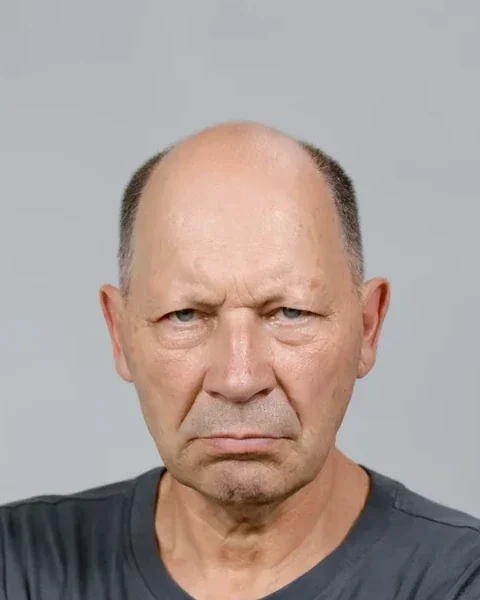
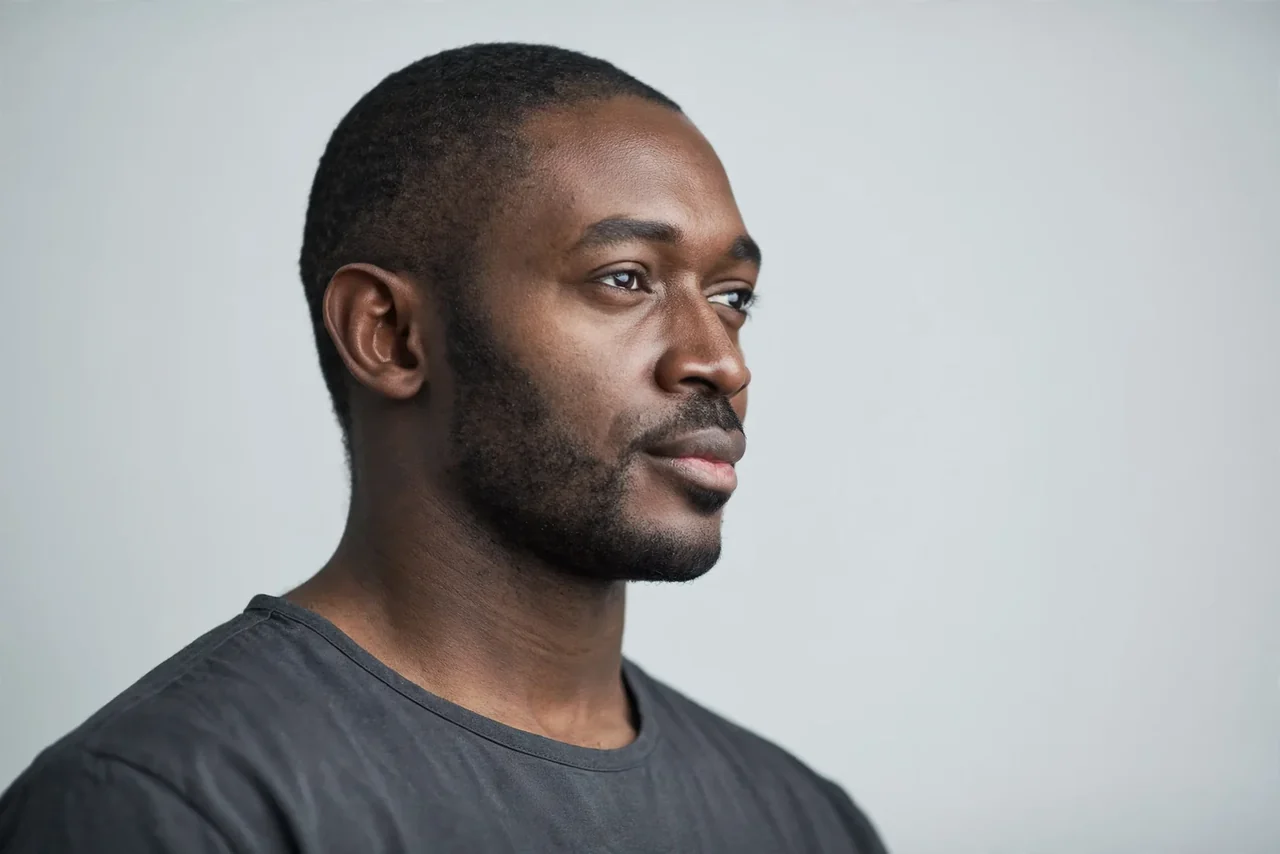
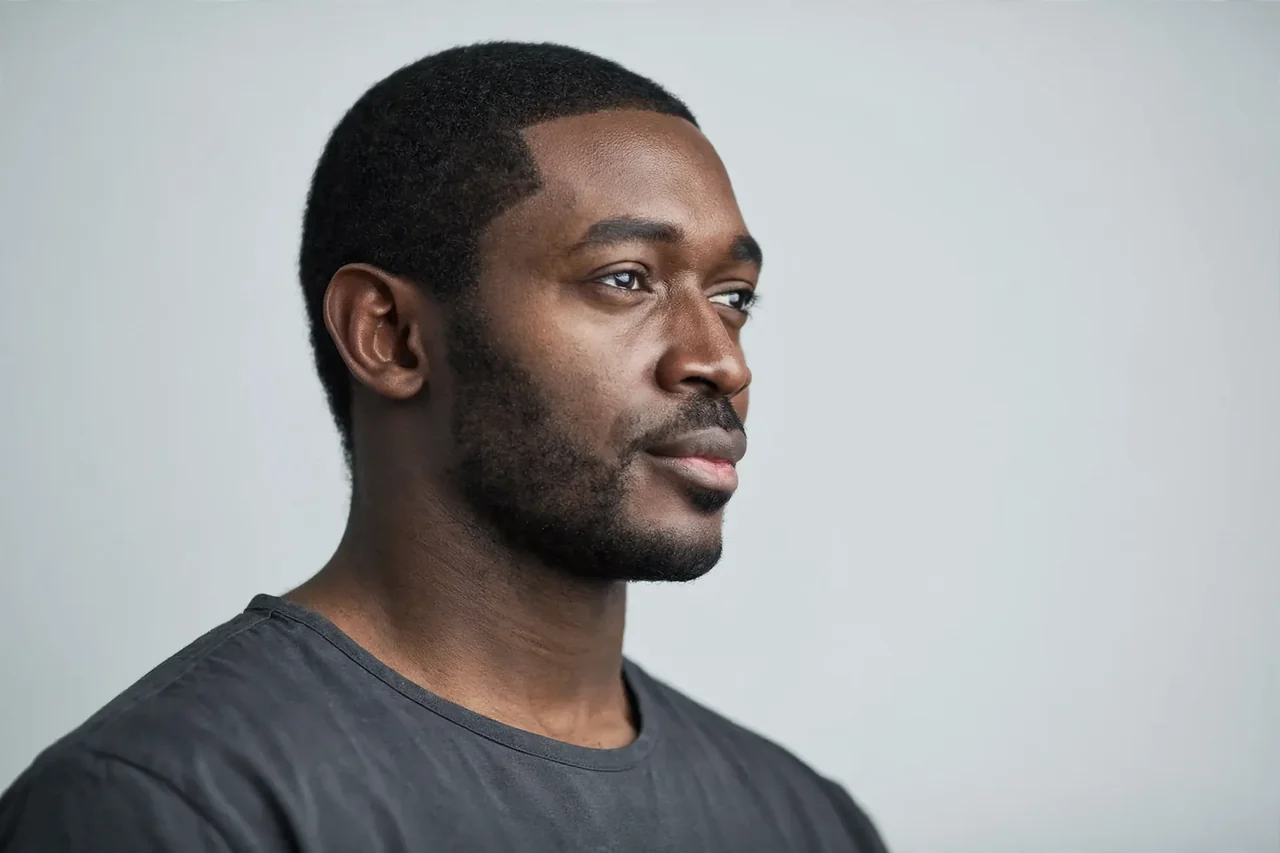
Small scabs form around the grafts and fall off within about 10 days.
Weeks 2–8
Shedding
Most transplanted hairs fall out. This is normal; the follicles stay.
Months 3–4
New growth
Fine new hairs start to come through.
Month 6
About halfway
Roughly half of the final density is visible.
Months 9–12
Final result
Hair thickens to its final density; the crown can take up to 18 months.
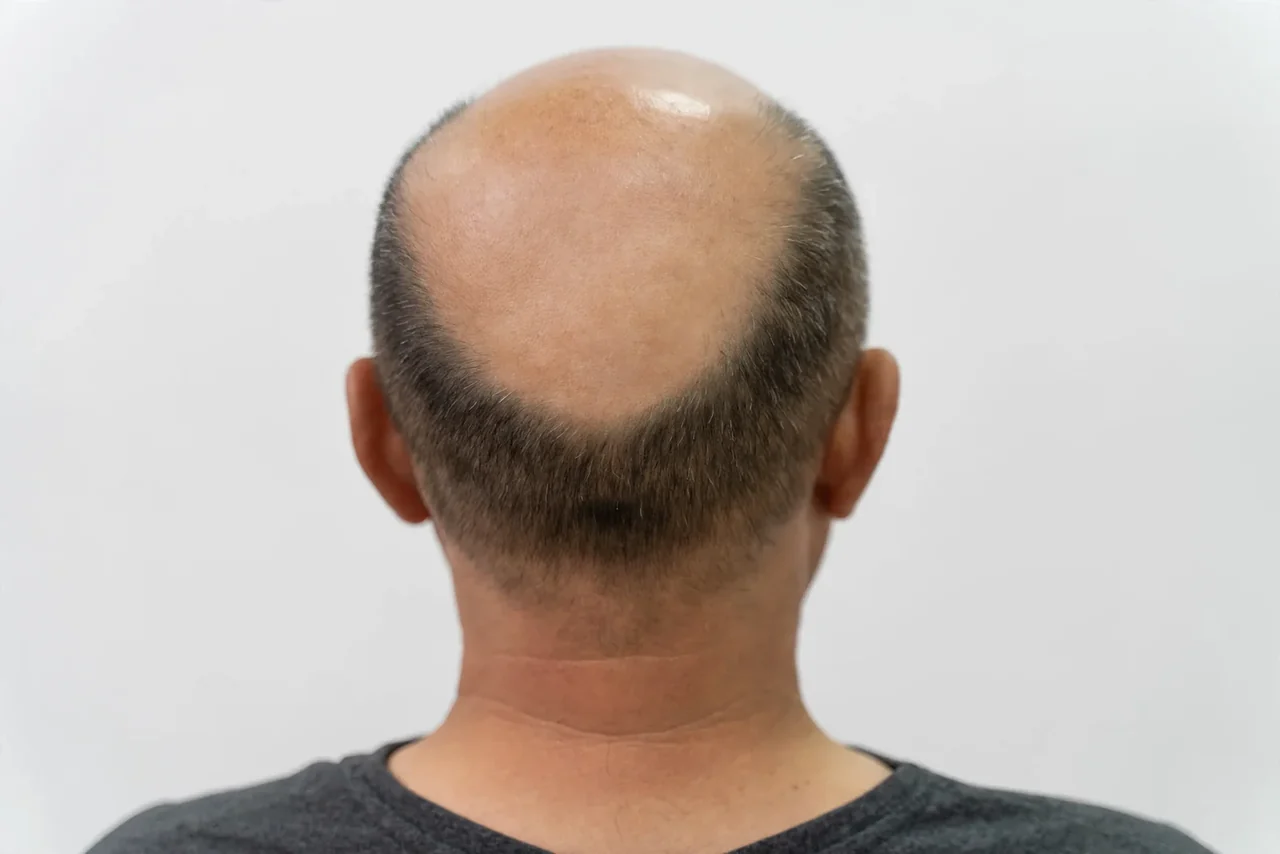
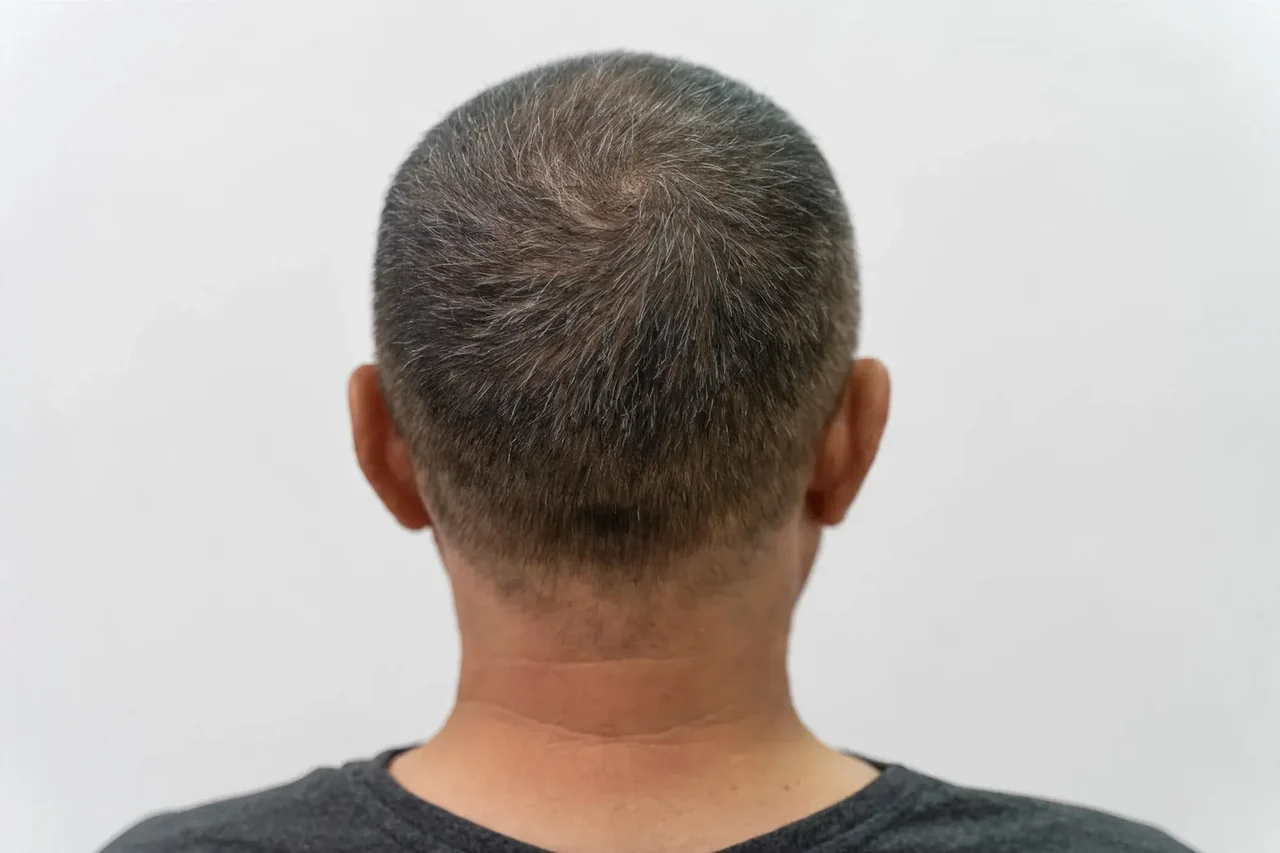
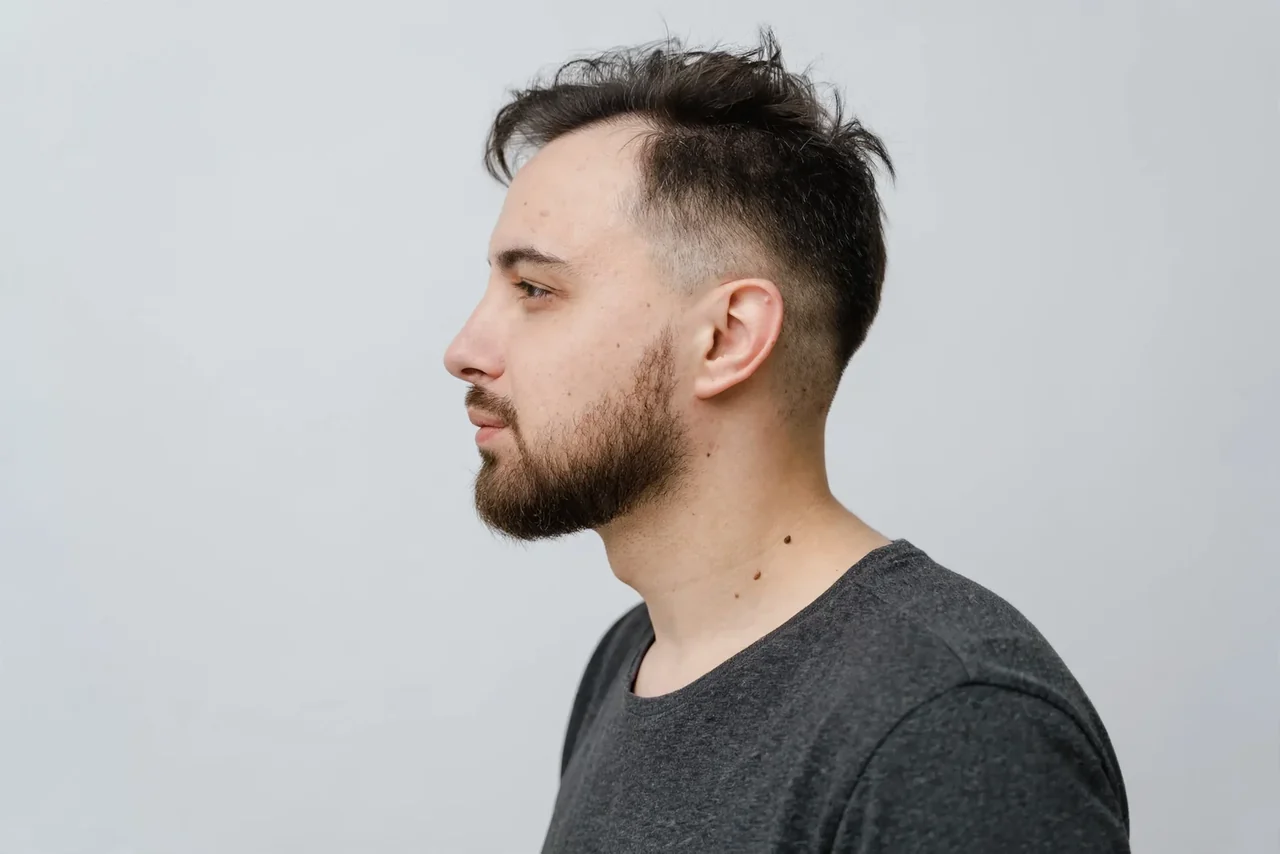
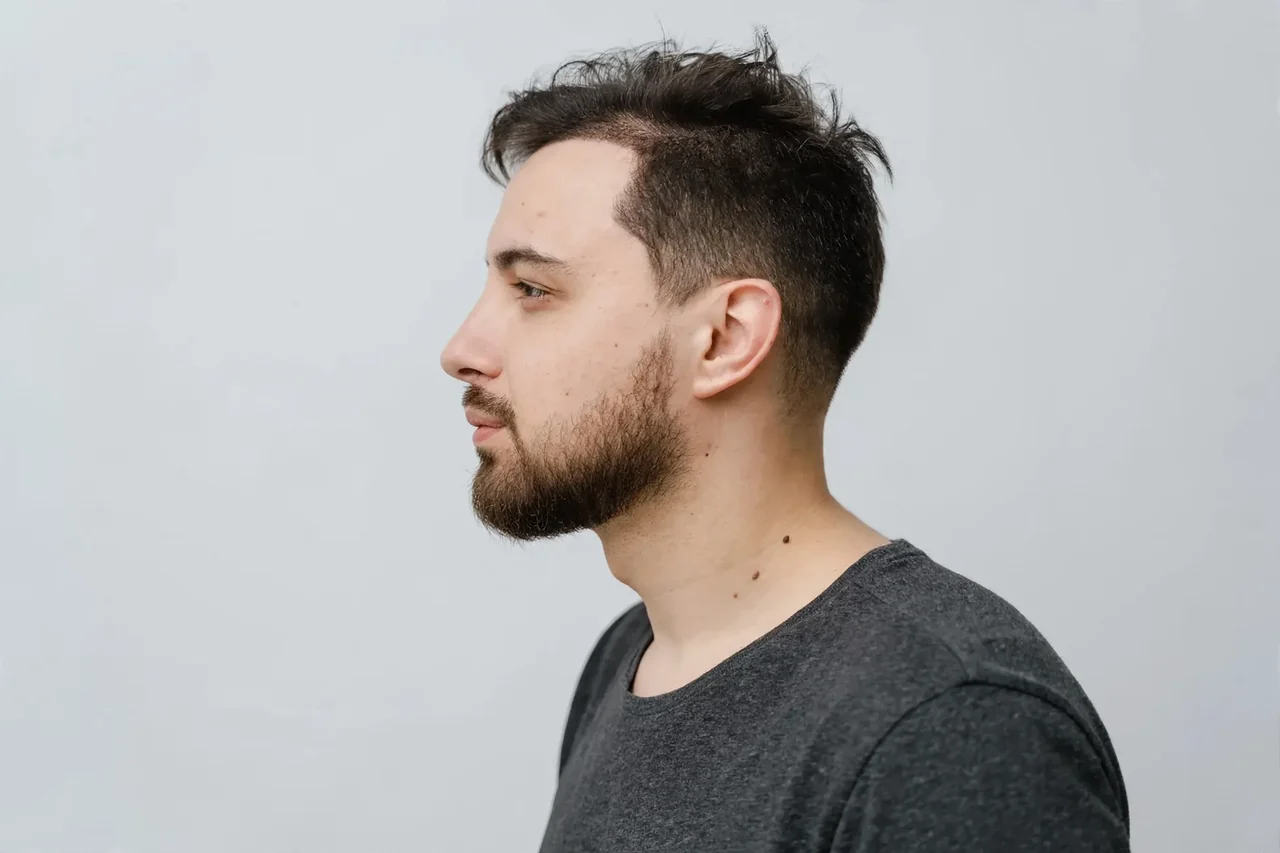
What to expect from a hair transplant before and after
How results change month by month
Your result builds slowly. Small scabs form around the grafts and fall off within about 10 days. Between weeks 2 and 8, most transplanted hairs shed. This is normal: the follicles stay in place. Fine new hairs start to appear from month 3–4. By month 6 you can expect roughly half of the final density. The full result shows at 9–12 months, and the crown can take up to 18 months. Judge progress against this timeline, not week to week.
Why clinic photos can mislead
Clinics pick their best cases. Lighting, camera angle, wet or styled hair and concealer fibres can all make hair look thicker. When you review a clinic's photos, look for consistent lighting and angles in each pair, and for shots taken 12 months or more after surgery. Ask to see the donor area too, not just the front. Check whether the person had a hair loss pattern and hair type like yours. One great photo tells you little; a set of ordinary cases tells you more.
What a natural hairline looks like
A natural hairline is soft and slightly irregular. Surgeons place single hairs at the front edge and angle them to match your own growth direction. A straight, sharp line or a hairline set too low tends to look fake, especially as you age. Ask your surgeon where they would place the line and why. If you want a sense of how fuller hair might suit your face first, try a free preview on your own photo.
FUE and your donor area
Grafts come from the back and sides of your scalp, and that supply is limited. With FUE, the surgeon removes follicles one by one. This leaves tiny dot scars that are usually hidden under short hair, instead of the linear scar left by older strip methods. Taking too many grafts can leave the donor area looking thin. A good surgeon plans for the long term and keeps some grafts in reserve in case your hair keeps thinning.
How far grafts go: density and the crown
A transplant moves hair; it does not create more. Your grafts get spread over the area you want covered, so a larger area means lower density. The crown is the hardest spot. It is wide, hair grows in a swirl, and it takes many grafts to look full. It also matures slowest, taking up to 18 months. Many surgeons rebuild the front first, because that frames your face, and treat the crown later if donor hair allows.
Hair transplants for women
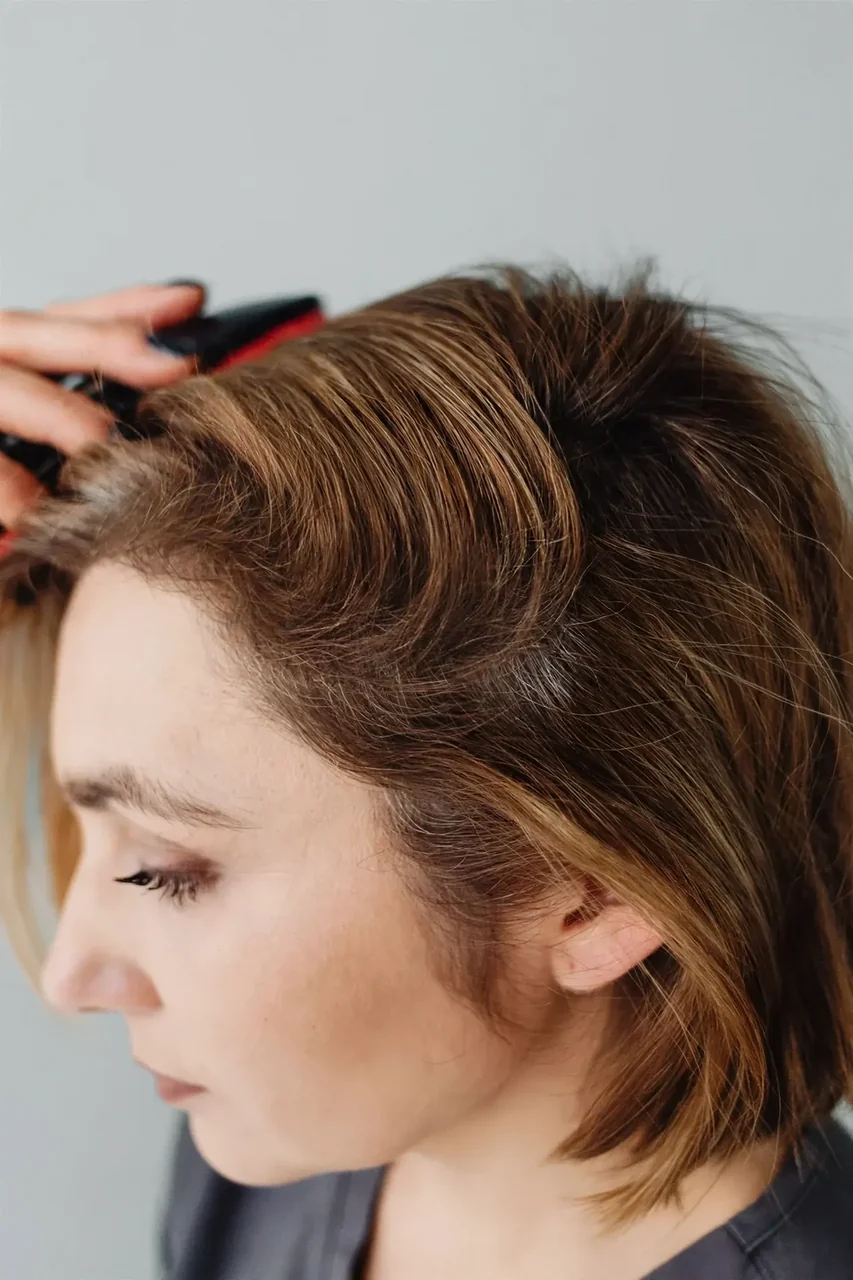
Women usually lose hair differently from men. Instead of a receding hairline, thinning tends to spread across the top of the scalp and widen the part. A transplant works best when the hair at the back stays thick. If thinning is diffuse everywhere, there may not be enough stable donor hair to move. A specialist should check the cause of your hair loss first, since some types respond better to medical treatment than to surgery.
Beard transplants
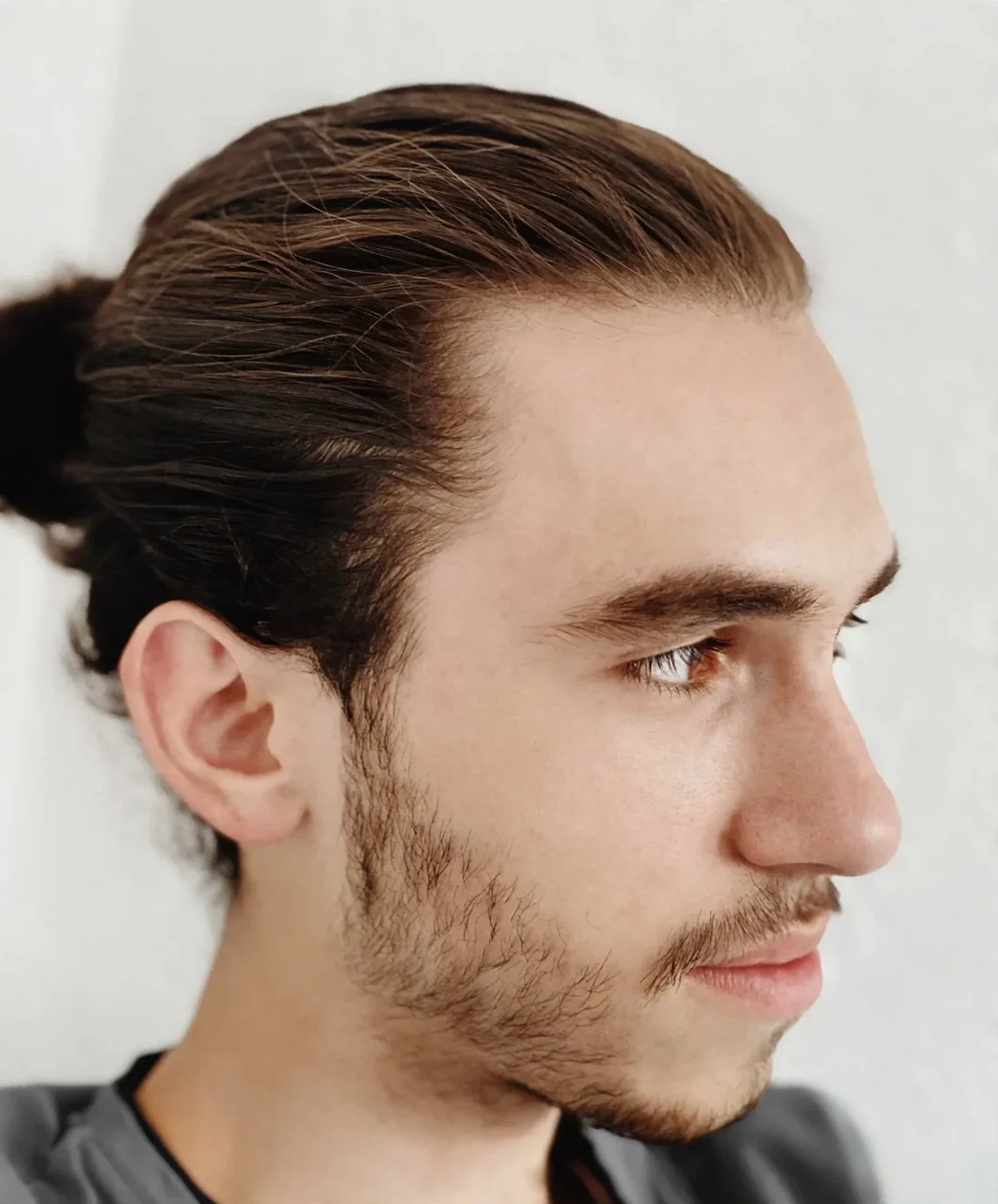
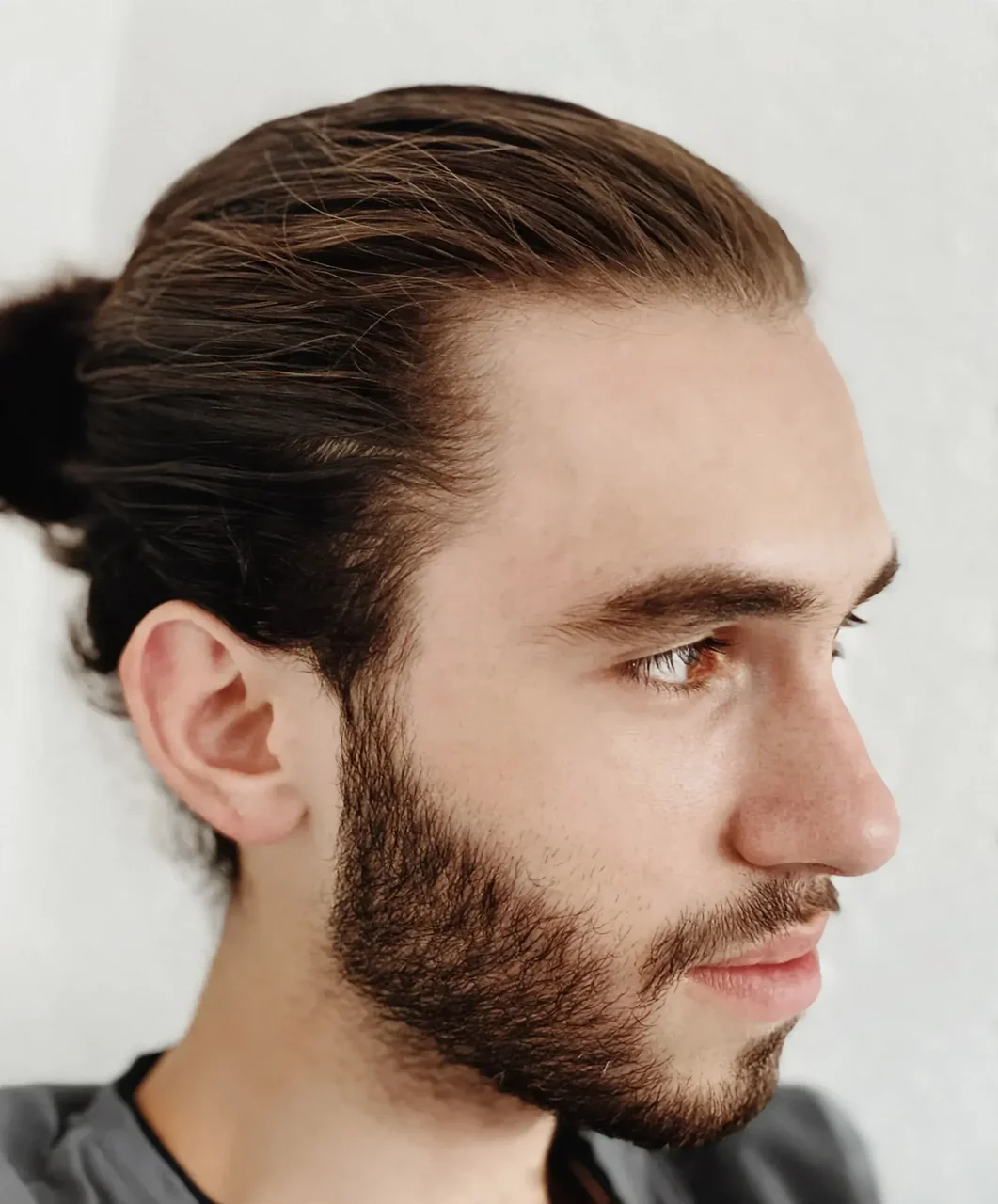
A beard transplant usually takes hair from the back of your scalp to fill patchy cheeks, a moustache or a goatee. Facial hair grows at a very flat angle, so the surgeon must place each single-hair graft with care to avoid an unnatural look. Scalp hair may feel a little softer than your own beard hair. The grafts follow the same cycle as on the scalp: they shed first, then regrow over the following months.
Getting a transplant abroad
Many people travel for a hair transplant because it costs less than at home. Lower prices often come with very large sessions done in a single day. The risk is overharvesting: taking so many grafts that the donor area looks patchy, which is hard to fix later. Before you book, ask who does each step (the surgeon or technicians), how many grafts they plan to take, and what aftercare you get once you fly home.
Does a hair transplant work, and does it last?
For most people with a healthy donor area, yes. Transplanted hair comes from a zone that resists thinning, so it is permanent. Your own untreated hair around it can keep thinning, though. Over time this can leave gaps behind the transplanted area. That is why many surgeons suggest medical treatment to protect native hair, and why some people choose a second procedure years later. No surgeon can promise you a specific result.
How much does a hair transplant cost?
The price depends on how many grafts you need, the technique and the clinic.
Where
Typical price
Notes
United States (FUE)
$5,000–$20,000
Total, by graft count
Typical all-in US prices, based on ASPS surgeon-fee averages and RealSelf patient-reported costs.
See a 12-month preview on your own photo
Upload a photo to see a realistic, typical result a year after a transplant. Use it to start the conversation with your surgeon.
Good photo sets show the same person in the same lighting, angle and hair length, before surgery and at least a year later. They include the donor area and a few in-between stages. Be wary of photos taken right after surgery, or with styled, wet or fibre-filled hair.
How long does a hair transplant last?
Transplanted hair is permanent because it comes from a zone that resists thinning. Your own hair around it can keep thinning, though, especially if you don't treat it. Ask your doctor whether medication makes sense to protect the hair you still have.
Is it safe to get a hair transplant abroad?
It can be, but quality varies widely. Check who performs the surgery, how many grafts the clinic plans to take in one session, and how they protect the donor area. Plan for follow-up care after you return home, and be cautious of package deals built around very high graft numbers.
Can women get a hair transplant?
Yes, if the donor hair at the back of the scalp is thick and stable. Women more often have diffuse thinning or a widening part than a receding hairline. A specialist should find the cause first, because some types of female hair loss respond better to medication.
What do FUE results look like?
FUE removes follicles one at a time, so it leaves small dot scars instead of a line across the back of your head. These are usually hidden under short hair. At the front, you see soft, gradual growth that fills in over 9–12 months.
Why does the crown take longer?
The crown is a large area with hair growing in a swirl, so it needs many grafts to look full. It also matures more slowly than the front, often taking up to 18 months. Many surgeons treat the hairline first and the crown later.
Does a hair transplant work for advanced hair loss?
It depends on your donor supply. If you have lost most of the hair on top, you may not have enough grafts for full coverage. In that case, the usual goal is to frame your face with a natural hairline rather than cover your whole scalp.
Can a beard transplant fix a patchy beard?
Often, yes. Surgeons usually move hair from the back of your scalp into patchy cheeks, a moustache or a goatee. Each graft is placed at a flat angle to match how beard hair grows. The new hairs shed first, then grow back over the following months.
How many grafts do I need?
That depends on how much area you want covered, how dense you want it, and how much donor hair you have. Larger areas need more grafts, and the same number spread wider looks thinner. Only an in-person exam can give you a reliable number.
Will a hair transplant look natural?
It can, when the surgeon uses single hairs at the front edge, follows your natural growth angle and avoids a straight, sharp line. Unnatural results usually come from a hairline set too low, grafts at the wrong angle, or an overharvested donor area.
When can I wash my hair after surgery?
Follow your surgeon's instructions exactly. Most clinics recommend gentle rinsing in the first days and no rubbing. Scabs usually fall off within about 10 days, and most people return to their normal routine after 7–10 days.
Why do some people regret a hair transplant?
The most common reasons are a hairline that looks unnatural, a donor area that was overharvested, and ongoing thinning behind the transplanted hair. A conservative hairline, a surgeon who plans for the long term, and realistic expectations all lower that risk.
Can I preview a hair transplant on my own photo for free?
Yes. AestheView lets you upload a photo and see a simulated, typical result 12 months after a transplant. Your first preview is free. It's a visual guide to help you think the decision through, not a prediction of your result.
How does the AestheView preview work?
You upload a clear front or side photo, and the tool generates a realistic image of what a typical 12-month result could look like on you. It doesn't design your hairline, count grafts or assess your donor area. That's your surgeon's job.
Can AestheView give medical advice?
No. AestheView doesn't diagnose hair loss, plan surgery or recommend a graft count. Previews are for personal use and to help you talk through options. Only a qualified surgeon can examine your scalp and tell you what is possible.
See how fuller hair could look before you book
Upload your photo for a free simulated 12-month preview. It's a guide for your consultation, not a promise of results.