Beard Transplant: Before and After Results, Cost and Recovery
A beard transplant moves hair from the back of your scalp into the beard area. See typical before and after changes, recovery and cost factors, then preview a simulated result on your own photo.
Tiny scabs form around each graft and fall off within about a week.
Weeks 2–8
Shedding
Most transplanted hairs fall out. This is normal; the follicles stay.
Months 3–4
New growth
New beard hairs start to come through.
Month 12
Final result
The beard fills in to its final density.
How a beard transplant works
Who is a good fit?
This treatment suits you if your beard grows but leaves gaps. Common reasons are patchy cheeks, a goatee that doesn't connect to the sides, a thin moustache, or scars where hair won't grow. The cause matters, so a clinic will check why the patches are there first. You also need enough healthy hair at the back of your scalp to spare. If you're also thinking about your scalp, see hair transplant before and after to learn how donor hair behaves.
How the FUE method works
Most clinics use FUE. The surgeon removes single grafts from the back of your scalp, one at a time. They then place each graft into your cheeks, chin, jaw or moustache area. You stay awake, and local anaesthetic numbs both areas. The angle of each graft matters. Beard hair grows flat and downward, so the new hairs should follow the same direction. Good placement helps them blend with the hair you already have instead of sticking out.
What before and after photos can tell you
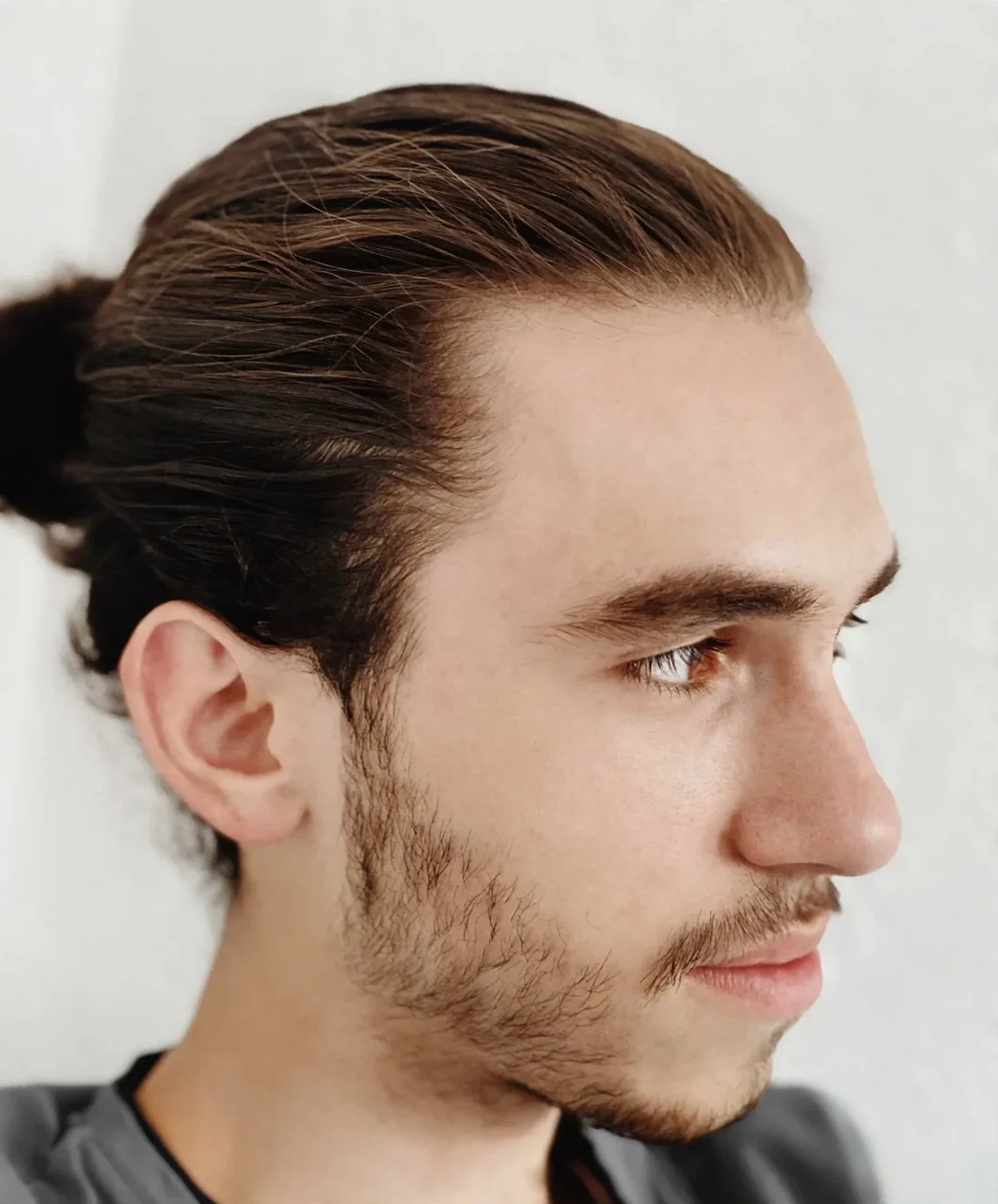
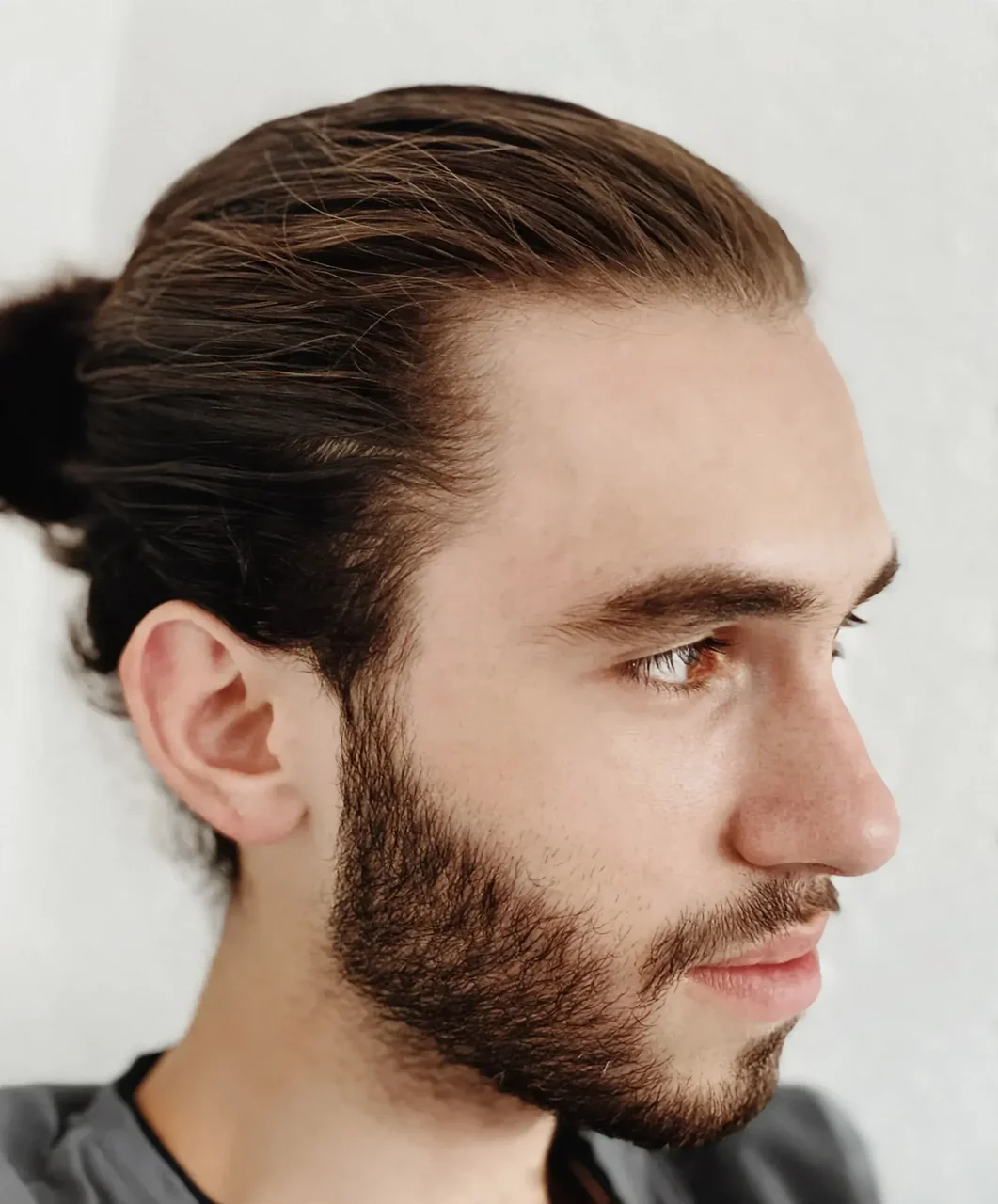
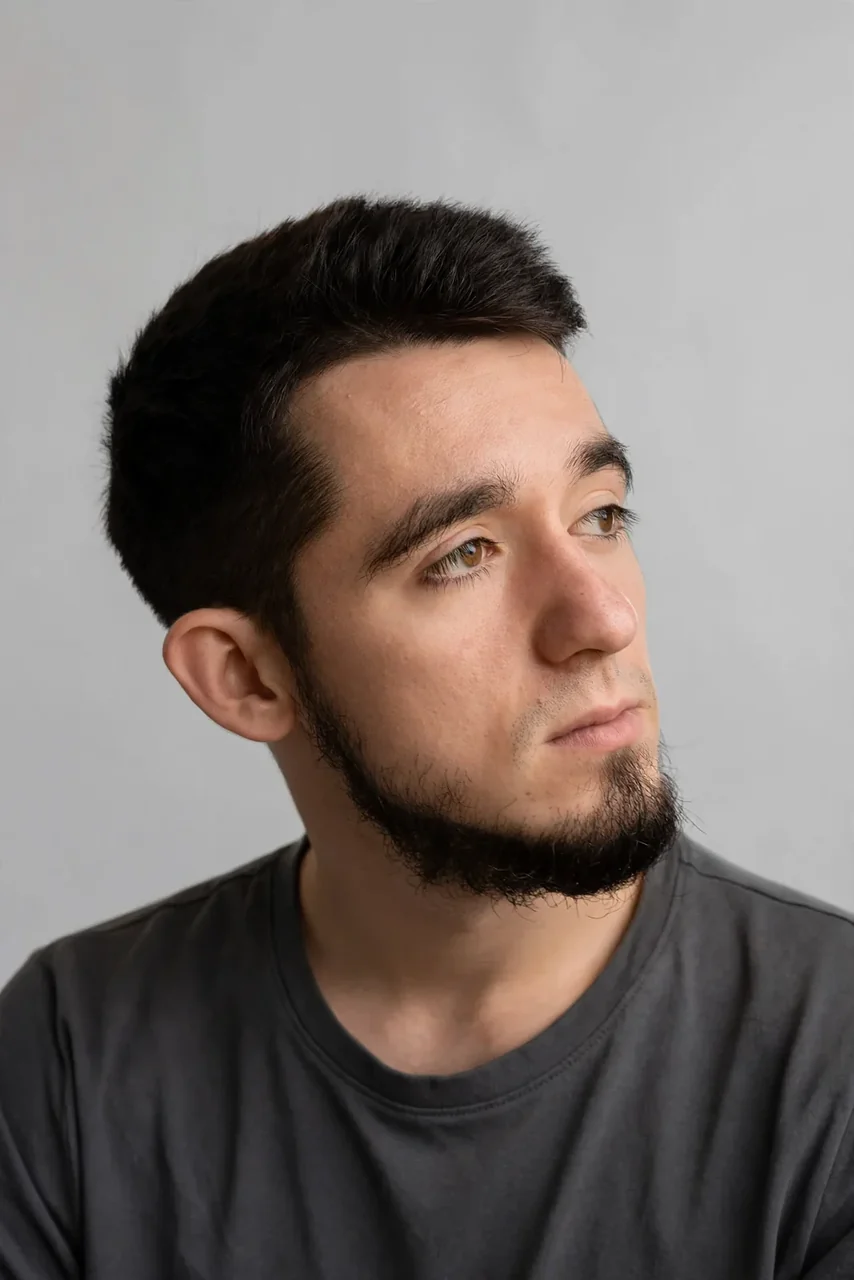
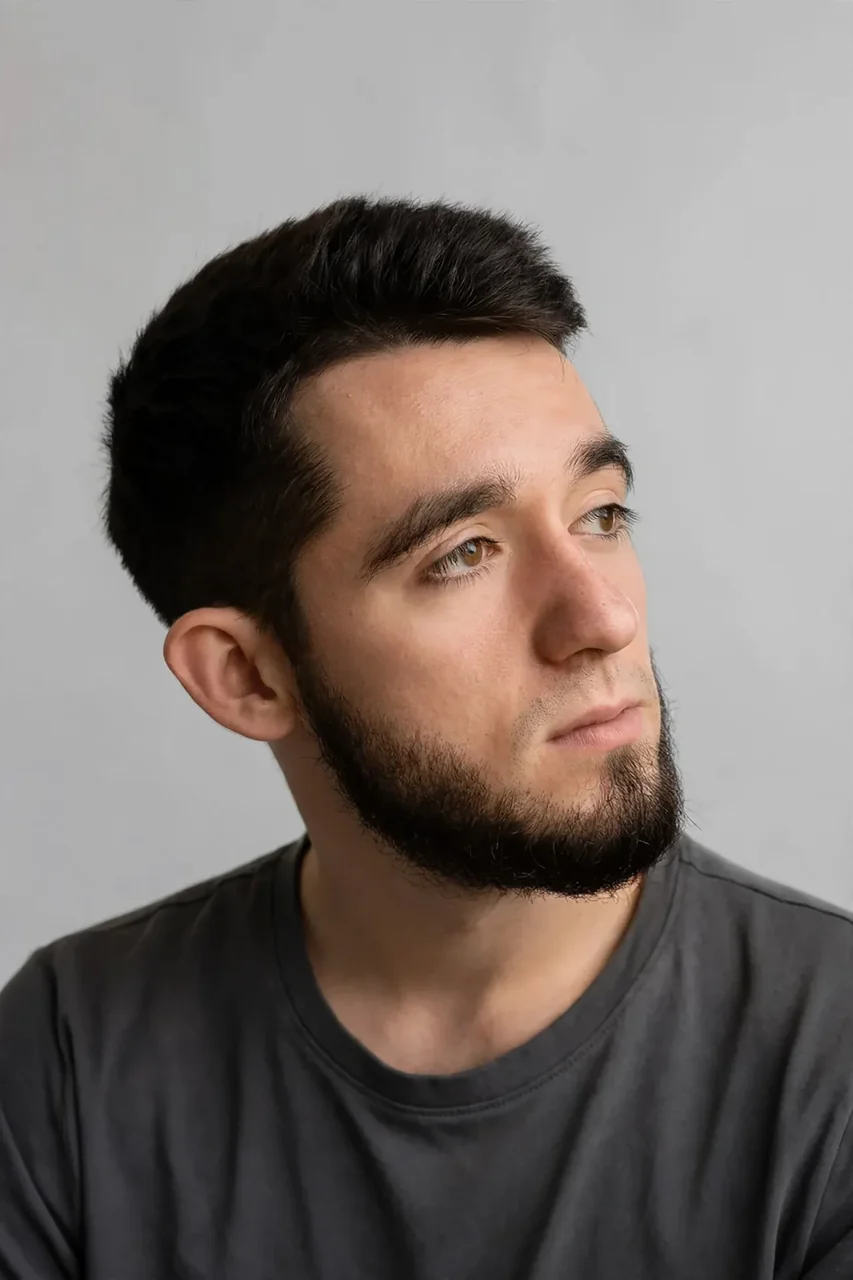
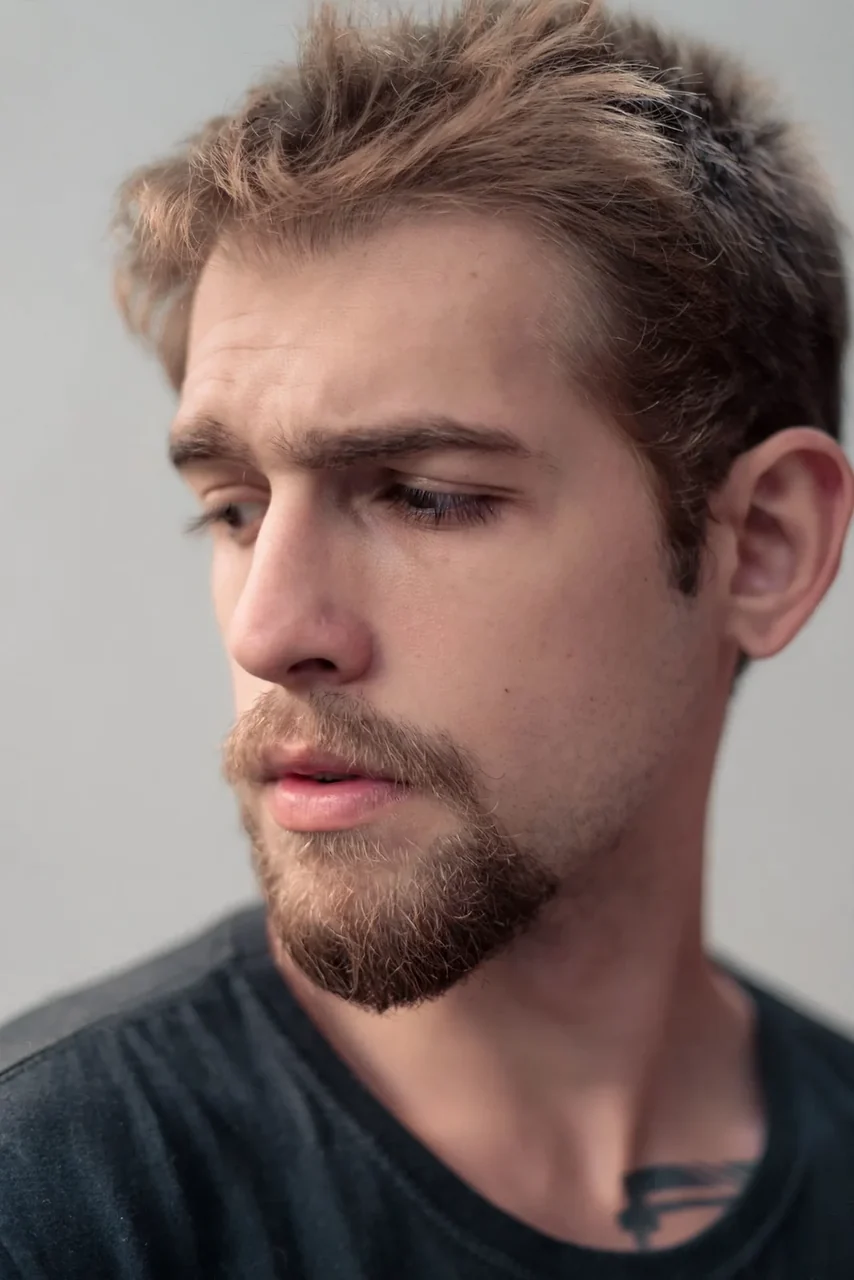
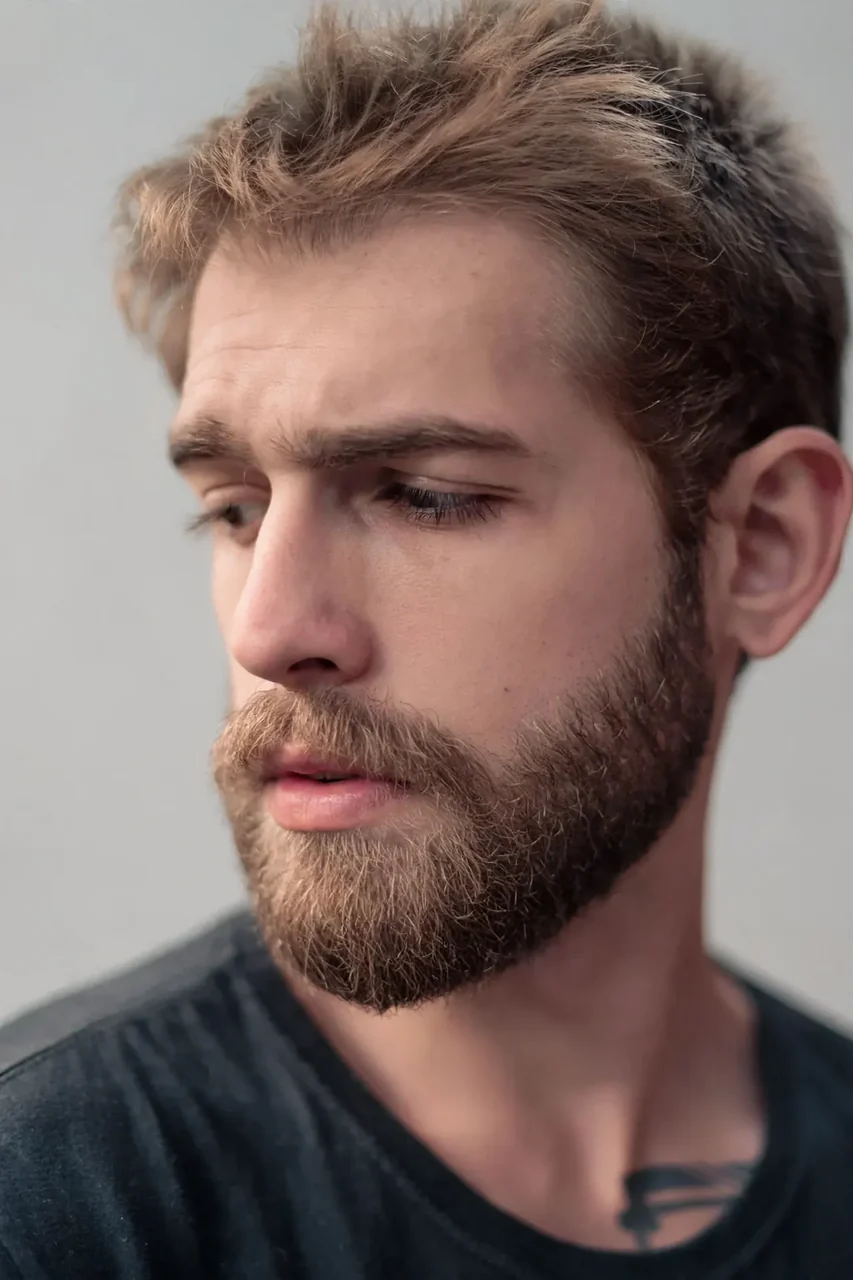
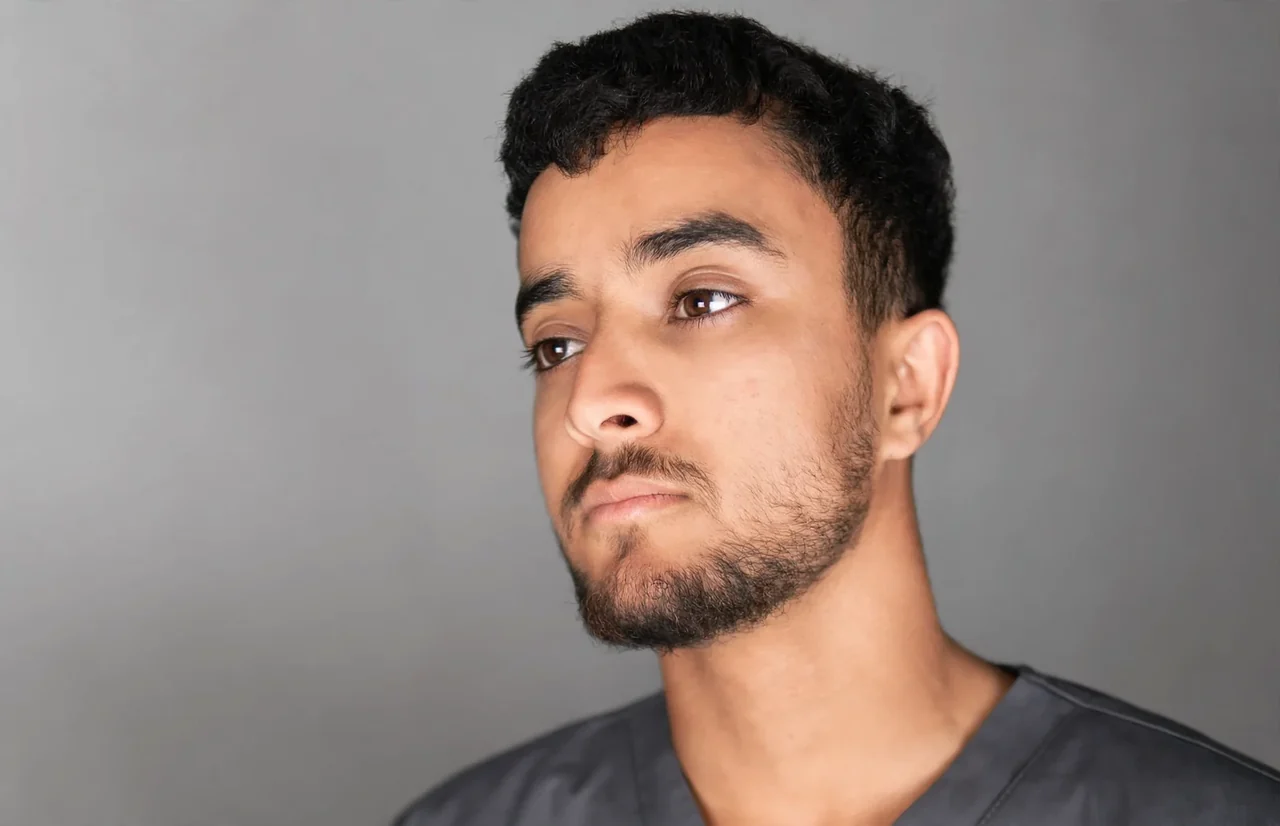
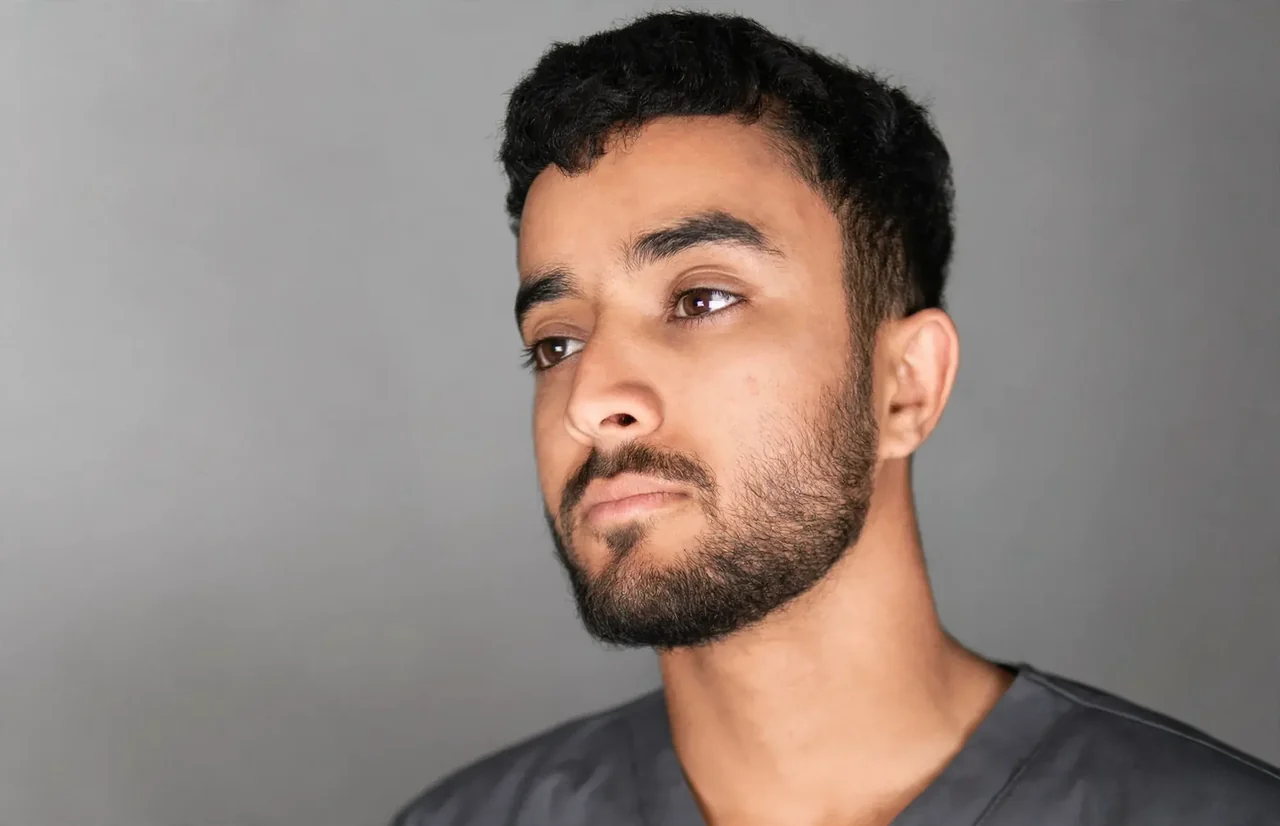
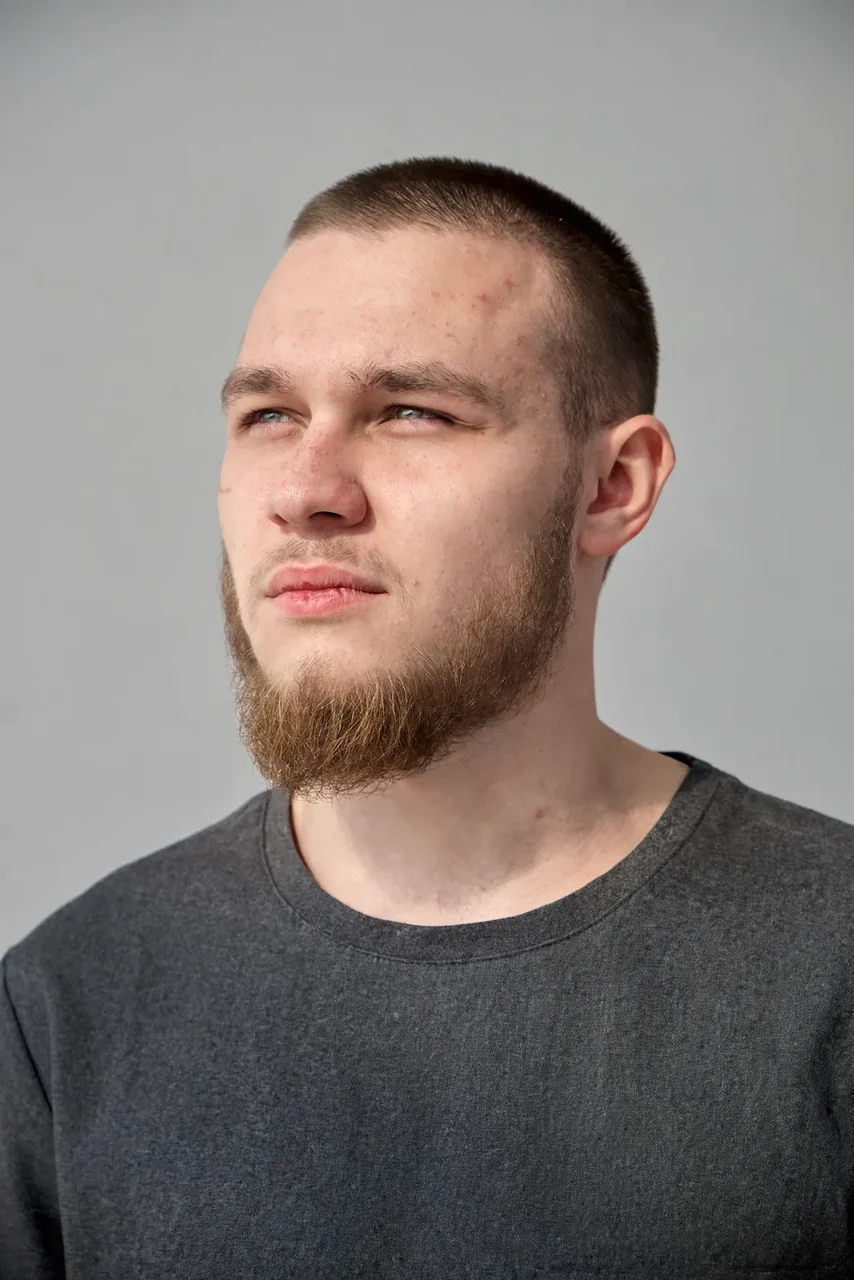
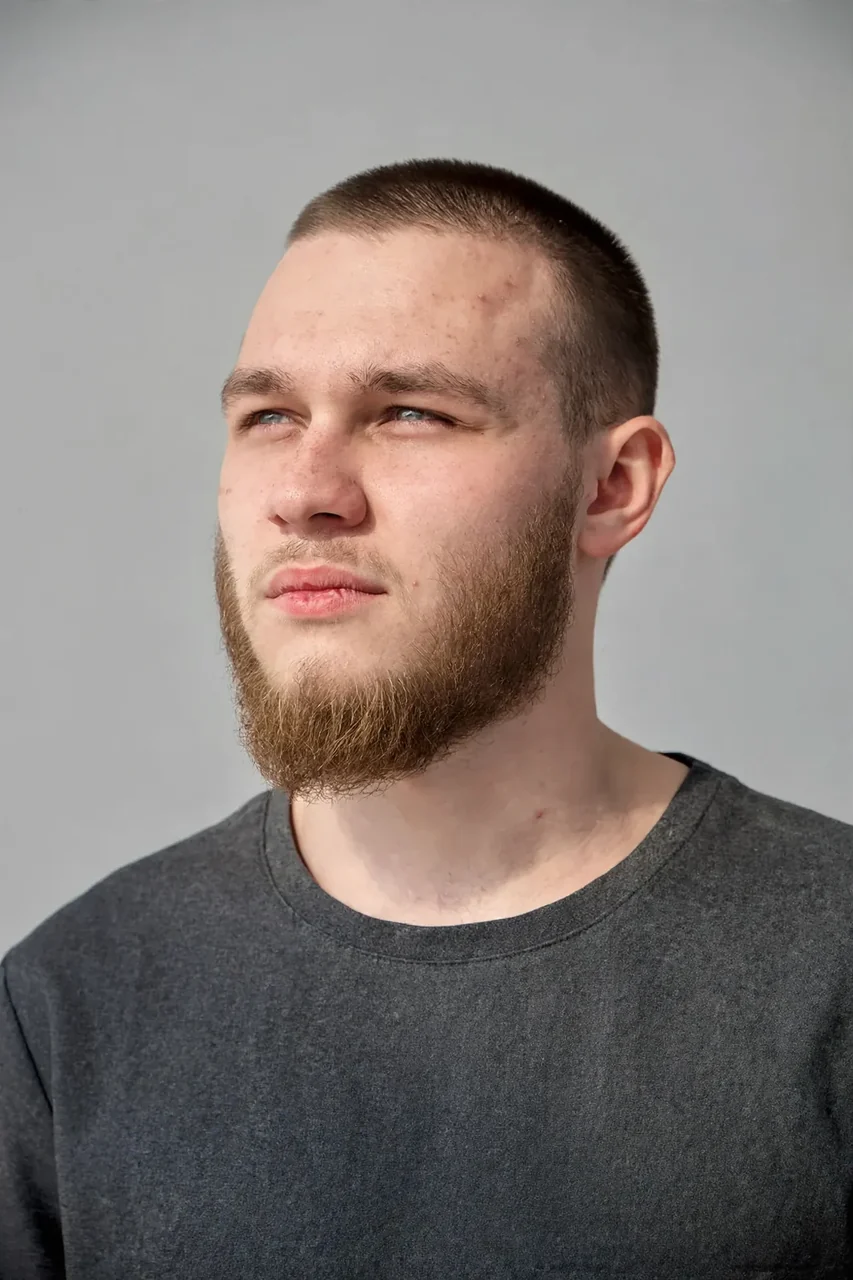
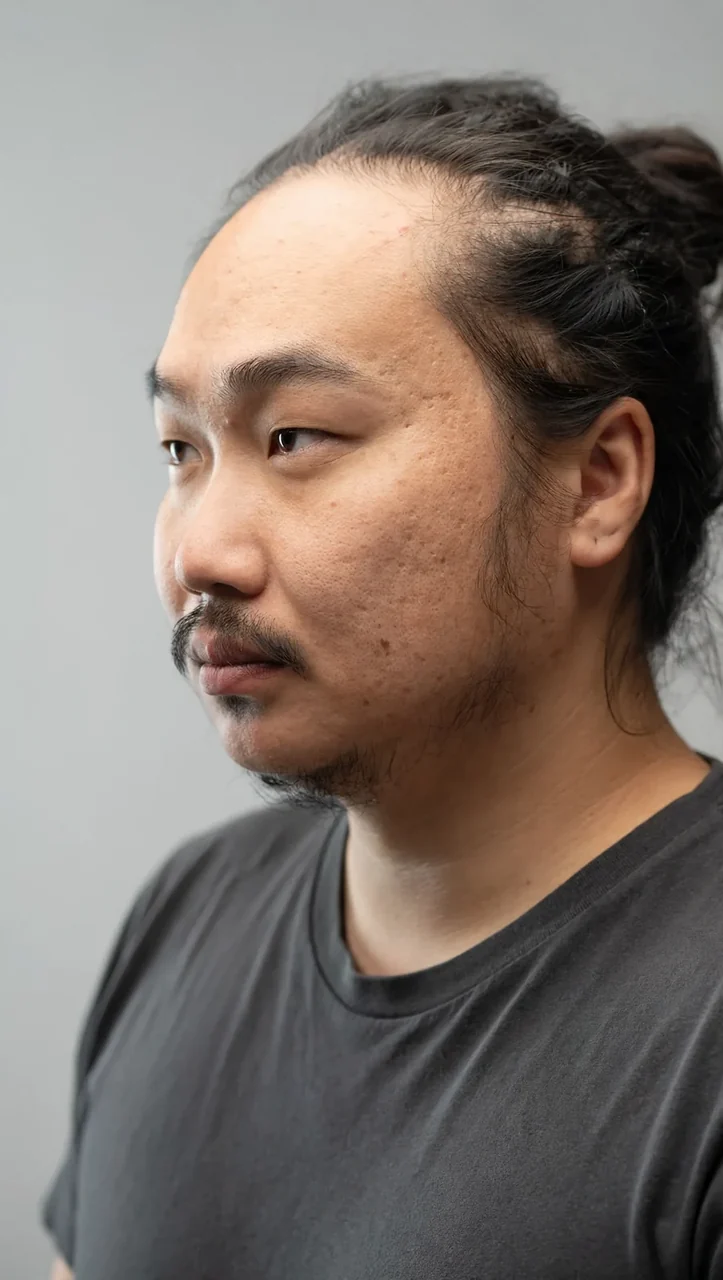
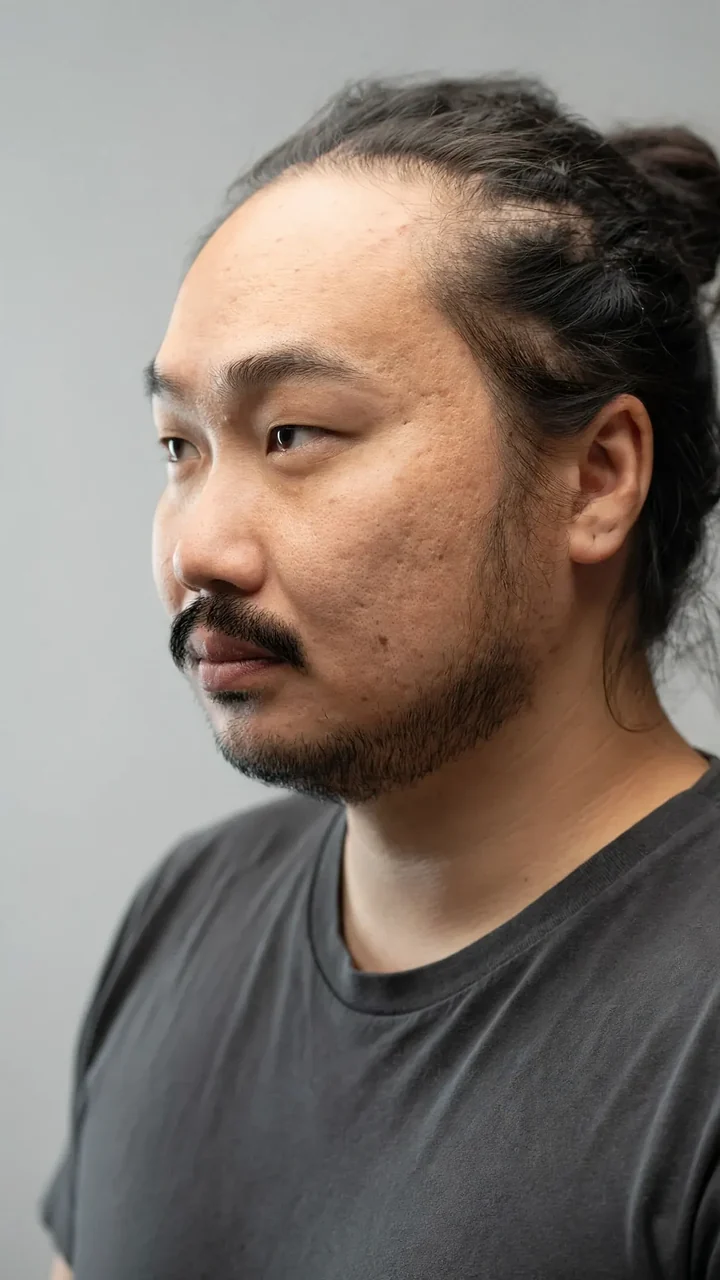
Beard transplant before and after images help you set fair expectations. Look at hair direction, how the edges blend, and how evenly the patches fill. Check that the photos match in lighting and angle. Remember that early photos can look patchy, because most new hairs shed first. The real change shows from month 3–4 and keeps building to about 12 months. A simulated preview on your own face can help you decide what kind of fill you'd want.
What affects the cost?
There's no single price. Cost depends on how many grafts you need and on the clinic you choose. Filling a small patch takes fewer grafts than building out full cheeks or connecting a goatee. Clinics also price in different ways. Some charge per graft, others charge per session. Ask for a written quote after your consultation. Check what it includes, such as aftercare and follow-up visits, so you can compare clinics fairly.
Do the results last?
Yes. Transplanted hairs are permanent. They come from the back of the scalp, where hair tends to keep growing, and they keep that trait in your beard. The catch is patience. Most of the new hairs shed between weeks 2 and 8. That's normal, because the follicles stay in place. New growth starts around month 3–4. Your final result takes about 12 months, so judge it then, not in the first few months.
Your first week of recovery
Downtime is about a week. Tiny scabs form around each graft and fall off within roughly seven days. Your face and the back of your scalp may look red at first. Follow your clinic's aftercare closely. Avoid rubbing or picking the scabs, and ask when you can wash, shave and exercise again. Most people plan a quiet week off before going back to work or social plans.
Donor hair is limited
The hair used for your beard comes from the back of your scalp, and that supply is finite. Every graft moved to your face is one you can't use later for your hairline. That's why a sensible plan matches your goals to what your donor area can give. Ask your surgeon how much donor hair you have and whether you might need it for your scalp in future. A modest fill can look natural and leaves you options.
Preview a simulated result on your own photo
Before you book a consultation, it helps to picture the change. Upload a clear, front-facing photo to the AestheView preview. It shows a realistic, typical simulated result at around 12 months on your own face. Use the slider to compare before and after. It's not a medical plan and doesn't predict your exact outcome. Take it to your consultation as a starting point for talking about what you want.
See a fuller beard on your own face
Upload a photo to preview a realistic, typical simulated result at around 12 months.
The surgeon takes grafts from the back of your scalp using FUE and places them in your beard area. You're awake, and local anaesthetic numbs both areas. You usually go home the same day.
Can it fix a patchy beard?
Often, yes. It suits patchy cheeks, a goatee that doesn't connect, a thin moustache and scars. Results depend on the cause of the patches and how much donor hair you have, so a clinic should assess you first.
How much does a beard transplant cost?
Price depends on how many grafts you need and the clinic you choose. A small patch costs less than full cheeks. Ask for a written quote after your consultation and check what aftercare it includes.
What is an FUE beard transplant?
FUE means the surgeon removes single grafts from the back of your scalp, one by one. Each graft is then placed into your beard area at an angle that follows the way your facial hair grows.
How long is recovery?
Downtime is about a week. Tiny scabs form around the grafts and fall off within about seven days. Most transplanted hairs then shed between weeks 2 and 8, which is normal.
When will I see results?
New hairs start to grow from month 3–4. The beard keeps filling in over the following months. You'll see the final result at about 12 months, so early patchiness isn't a sign that it failed.
What should I look for in beard transplant before and after photos?
Check that the photos use the same lighting and angle. Look at hair direction, how the edges blend, and how evenly gaps fill. Make sure the after photo was taken late enough, ideally around 12 months.
Is a beard transplant permanent?
Yes. Transplanted hairs are permanent. They come from the back of the scalp and keep growing in your beard. Once they've grown in, they behave like the rest of your facial hair.
Does it hurt?
Local anaesthetic numbs the scalp and beard area, so you shouldn't feel sharp pain during the procedure. You may feel pressure. Some tenderness afterwards is common, and your clinic will advise on pain relief.
Can I shave or trim the new hairs?
Yes. Once your skin has healed, you can shave and trim transplanted hairs like normal beard hair. Ask your clinic when it's safe to start, and be gentle during the first weeks.
What are the limits of a beard transplant?
Your donor hair is limited, so you can't add unlimited density. Grafts used for your beard can't be used later for your scalp. Results vary from person to person, and no clinic can guarantee a specific outcome.
How does the AestheView preview work?
You upload a clear, front-facing photo. The tool shows a realistic, typical simulated result at around 12 months on your own face. It's a visual guide to discuss with a clinic, not a prediction of your outcome.
Preview your beard before you book
See a simulated 12-month result on your own photo, then take it to your consultation.